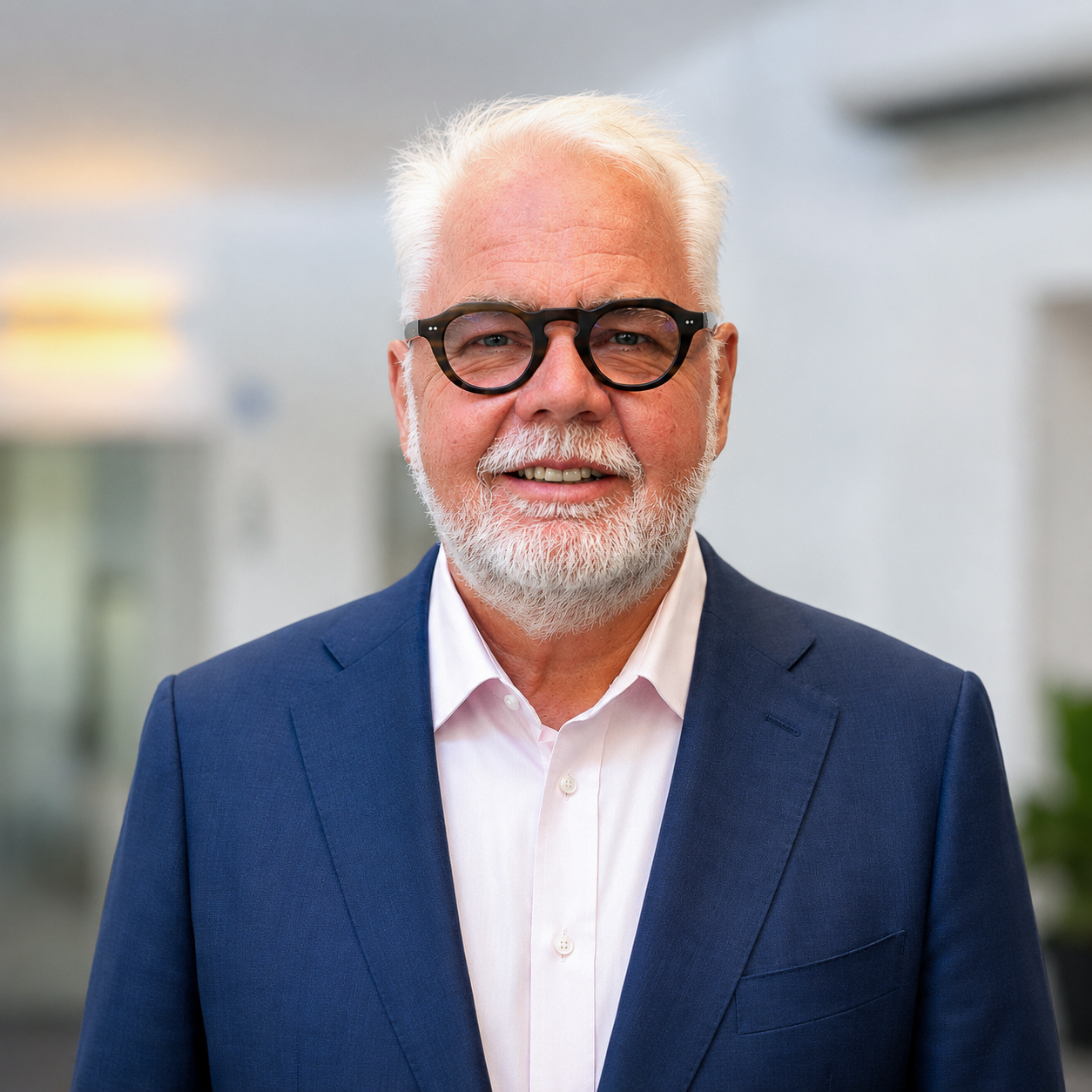
Stephen Rayment
Founder, CEO & Group Managing Director
Under the ‘American Rule’, each party normally pays its own lawyers, win or lose, unless a contract, statute or another recognised exception says otherwise. In England and Wales, the general rule is that the unsuccessful party pays the successful party’s costs, although the court retains discretion.
In my view, that difference shapes the US disputes market: with less routine exposure to the other side’s legal fees, more claims can be pursued and fewer dropped. For owners, contractors and advisers from the UK, Europe and the Middle East, it is one of the first differences to understand before a notice of claim lands.
Each feature exists somewhere else. My view is that only in the US do all three come together at this scale.
First, under the American Rule there is no routine loser-pays exposure to the other side’s attorneys’ fees simply because a claim fails.
Second, contingency fees can mean the claimant’s lawyers are paid only if the claim recovers money, broadly comparable to a damages-based agreement.
Third, litigation finance can fund a law firm’s unbilled time across a portfolio of claims.
American Rule + contingency fees + funded WIP = the land of the nuisance claim
Rise in North American construction disputes over the past year
Arcadis 2025
Of ICC cases filed in 2025 came from construction and engineering, the largest sector
ICC 2025
International arbitrations filed with the ICDR in 2025, with total claims and counterclaims of US$5.6 billion
AAA-ICDR 2025
A claim with weak merits can still be worth paying off because settling costs less than defending. US courts and lawyers use the term ‘nuisance value’ settlement for that situation.
Contingency economics can reinforce it: a firm with spare capacity can put unbilled time into a portfolio of speculative claims, knowing a handful of nuisance-value settlements may pay for the rest.
The respondent, meanwhile, ordinarily bears its own attorneys’ fees under the American Rule unless an exception applies.
Infrastructure spending is one driver. Large public programmes bring complex procurement, design change and multi-party interfaces.
Data centres add tight programmes, long-lead transformers and grid connections that fuel delay and acceleration claims.
Tariffs and materials add another pressure point: the effective tariff rate for construction goods reached a 40-year high of 25% to 30% in 2025, adding to escalation pressure.
Labour shortages compound the picture, as productivity loss and overlapping delays make causation harder to prove.
The funding market is expanding alongside the disputes market. Westfleet Advisors’ 2025 report recorded $2.8 billion of new US commercial litigation finance commitments, up approximately 23% from its 2024 report.
Hybrid funding structures include reduced rates plus success fees, funder-paid expenses and portfolio deals across a firm’s whole book.
Contingent-risk insurance also matters: approximately 21% of new capital commitments in Westfleet’s 2025 report were fully or partially insured.
Private equity is also moving into parts of the US legal-services market through management services organisation (MSO) structures, which channel outside investment into non-legal operations while the core law firm remains lawyer-owned in most US jurisdictions.
For international parties, five practical steps follow.
First, read the costs clause. Prevailing-party clauses, statutes and arbitration rules can all change who pays.
Second, expect claims to be pursued. Assess merit early and price the cost of defending to the end.
Third, choose the forum deliberately. International arbitration often permits broader cost recovery and generally involves more limited document production than US court litigation.
Fourth, check who can represent you. State rules on foreign lawyers and fee-sharing differ.
Fifth, invest in records and independent experts. Robust evidence beats argument.
A claim whose economics make it attractive to pursue still has to survive scrutiny on entitlement, causation and quantum. Strong contemporaneous records remain the best protection against a weak claim, whichever side of the dispute you are on.
Systech is a multidisciplinary practice (MDP), working alongside US counsel where a matter needs it and bringing together lawyers, expert witnesses, claims consultants and project services and controls.
Systech also has a Global Collaboration Agreement designed to support funding for qualifying arbitrations for its Tier 2 contractor and subcontractor clients, subject to independent assessment and applicable requirements.
For a specialist contractor with a sound claim but insufficient cash flow to pursue it, access to funding can materially change the balance of a dispute.
The American Rule, contingency fees and litigation finance all have legitimate purposes. My argument is about what happens when they operate together in a market where defending a weak claim can cost more than settling it.
That is the commercial logic behind the phrase ‘land of the nuisance claim’.
It is deliberately provocative, but the tension it describes is real: the merits of a claim and the economics of pursuing or defending it are not always the same thing.
For owners, contractors and advisers working on or bidding for US projects, that distinction is worth understanding before the dispute starts.
The contract, forum, evidence and funding structure can all shape the outcome long before anyone reaches a hearing.
Working on, or bidding for, US projects? I’d welcome a conversation about how these issues affect you. What are you seeing on US projects?
